
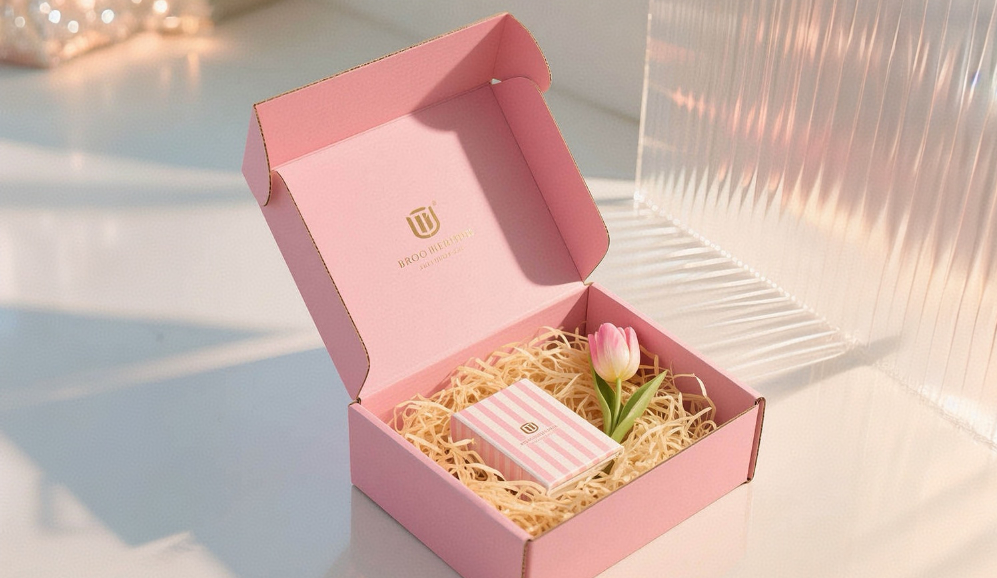
In today’s packaging design, cardboard boxes are not only tools for protecting products, but also serve to showcase brand image, enhance product value, and attract consumer attention. Choosing the right cardboard box material is crucial for every brand’s success in the market. As a wholesaler or exporter, selecting the appropriate cardboard box material based on product characteristics, target market, and brand needs is a vital task. This article will provide a detailed guide on how to make informed choices among various cardboard box materials.
1. Common Cardboard Box Materials and Their Characteristics
The common cardboard box materials on the market mainly include corrugated cardboard, white cardboard, kraft paper, and coated paper. Each material has its unique properties and applicable scenarios.
- Corrugated cardboard: This material has good strength and shock resistance, and is often used for shipping packaging boxes. It is pressure-resistant, load-bearing, and relatively lightweight, effectively protecting products from external environmental influences. It is suitable for packaging large quantities of goods, especially the material most commonly used by e-commerce businesses and wholesalers.
- White cardboard: Smooth, thick, and glossy, suitable for high-end packaging design, especially for exquisite goods such as cosmetics, jewelry, and gifts. It exhibits excellent color performance during the printing process, enhancing the product’s perceived value.
- Kraft paper: Environmentally friendly, natural, and tough, usually used in packaging designs that reflect natural and environmentally conscious concepts. It has a unique texture and is widely used in eco-friendly packaging, vintage designs, and retail packaging.
- Coated paper: Smooth surface with a high gloss finish, suitable for fine printing, especially excellent for packaging exquisite food and gifts. Suitable for products that require vibrant colors and high-quality printing effects.
2.How to Choose the Right Material Based on Product Needs?
Different types of products have different packaging needs, so choosing the right cardboard box material is crucial. Here are some common products and recommended packaging materials:
- Food packaging: For food products (such as candy, pastries, condiments, etc.), it is recommended to use white cardboard or kraft paper. These two materials not only meet food safety standards but also effectively maintain the freshness of the food and are convenient for printing detailed product information and brand logos.
- Cosmetics and gift packaging: For high-end goods such as cosmetics, perfumes, and jewelry, white cardboard or coated paper can be chosen. These types of products require a high-end feel in their packaging, and white cardboard and coated paper can deliver high-quality printing effects and a premium tactile feel.
- E-commerce shipping packaging: For the shipping packaging of bulk goods, corrugated cardboard is the preferred choice. It provides excellent compression resistance, effectively reducing the risk of damage during transportation.
- Environmentally friendly packaging: If your brand is committed to promoting environmental protection, kraft paper or recycled paper are excellent choices. These materials meet environmental requirements and can convey a green, sustainable brand image to consumers.
3.Choosing Packaging Materials Based on Design Style and Brand Positioning
The brand’s design style and market positioning directly influence the choice of cardboard material. For example:
- Simple and elegant brand design: If your brand focuses on a modern, minimalist image, you can choose white cardboard, which has a modern and high-end feel, suitable for various high-end gifts, jewelry, and cosmetics packaging.
- Retro and natural style: If the brand emphasizes natural and environmentally friendly concepts, kraft paper or corrugated cardboard are very suitable choices. These materials not only have a natural texture but also align with the brand’s green and environmentally friendly image.
- Personalized customization: If you want your packaging to have a unique personality, you can combine coated paper with unique surface treatment processes, such as hot stamping and spot UV. This can make the product packaging more visually striking and attract consumers’ attention.
4.Matching Printing Processes with Cardboard Materials
Choosing the right combination of printing processes and cardboard materials can also effectively enhance the aesthetics and brand image of the packaging. Common printing processes include:
- Matte and glossy lamination: Suitable for white cardboard and coated paper, it can enhance the visual effect of the packaging and is suitable for high-end brand gift packaging.
- Hot stamping and spot UV: Suitable for application on white cardboard or coated paper, it can highlight the brand logo and add a sense of luxury.
- Embossing and debossing: Suitable for kraft paper or corrugated cardboard, it can increase the texture and visual appeal of the packaging.
5.How to Choose Suitable Packaging Design Based on the Target Market?
When choosing cardboard materials, you also need to consider the needs and cultural differences of the target market. For example:
- European and American markets: Consumers in European and American markets prefer simple, elegant, and high-end packaging. You can choose white cardboard or coated paper and use high-quality printing.
- Asian Market: Consumers in the Asian market may prefer traditional and natural packaging, using kraft paper or corrugated cardboard, and incorporating local cultural elements into the design.
Conclusion
Choosing the right cardboard packaging material not only ensures the safety of your products during transportation but also enhances brand image and improves the consumer experience. By comprehensively considering product needs, brand positioning, and target market, you can select the most suitable cardboard material for your products, allowing you to stand out in a highly competitive market. SUKAI Packaging provides customized cardboard packaging solutions to help your brand establish a unique image in the global market.